Javagal Srinath: The Spearheading Quick Bowler of Indian Cricket
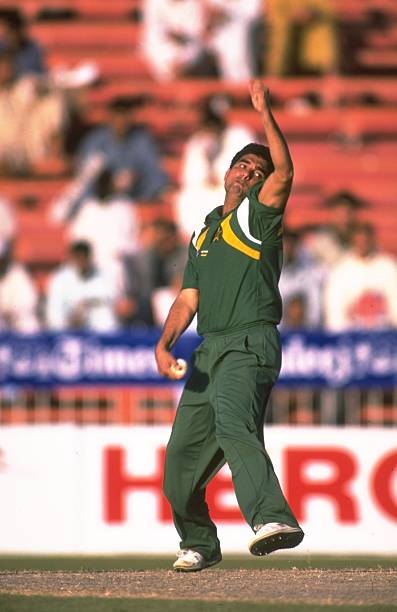
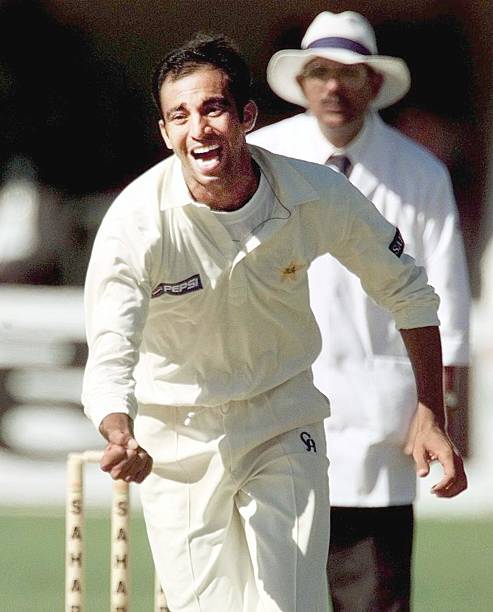
Javagal Srinath, quite possibly of India's most famous quick bowler, is a name that resounds with cricket fans around the world. Known for his speed, exactness, and sheer assurance, Srinath was a fundamental figure in Indian cricket during the 1990s and mid 2000s. With his transcending presence on the field, he turned into India's chief quick bowler and assumed a crucial part in changing the view of Indian pacers. His vocation spread over 11 years, from 1991 to 2003, during which he made a permanent imprint on the game.
This article dives profound into the vocation and tradition of Javagal Srinath, dissecting his ascent to noticeable quality, his way of bowling, the difficulties he confronted, and his commitments to Indian cricket.
Javagal Srinath was brought into the world on August 31, 1969, in the modest community of Srinathapura, situated in the Channarayapatna taluk of the Hassan locale in Karnataka, India. His initial years were saturated with sports, with his family empowering him to seek after games. Nonetheless, cricket turned into his actual calling. It was his advantage in quick bowling that at first put him aside from his friends. His motivations were quick bowlers like Richard Hadlee, Kapil Dev, and Jeff Thomson, who had proactively transformed the global circuit when Srinath was digging up some authentic confidence in the game.
Srinath's cricketing venture started at 14 years old when he joined the Mysore Sports Club and was before long perceived for his crude speed. He played for Karnataka at the age-bunch level, and his exhibitions immediately acquired consideration. His ascent was quick, and by 1989, Srinath had previously influenced homegrown cricket, playing for the Karnataka state team. His capacity to reliably bowl at speeds surpassing 140 km/h, joined with his tall and athletic edge, acquired him acknowledgment as one of the most brilliant quick bowling gifts in India.
Javagal's first experience with worldwide cricket came in 1991, during India's visit through the West Indies. At only 21 years of age, he was called up to the Indian crew interestingly, however his presentation match didn't go as expected. He made his One Day Worldwide (ODI) debut on November 9, 1991, against the West Indies in Guyan. Srinath bowled well yet battled with the consistency expected at the most elevated level. He made his Test debut not long after, in 1991, against Australia in Sydney. It was a rite of passage for the youthful bowler, however it established the groundwork for what was to be a recognized profession.
During his initial years, Srinath confronted the double test of rivaling India's absence of speed bowling framework and the strength of twist in Indian cricket. The Indian group, generally more leaned towards spinners like Anil Kumble, Kapil Dev, and Harbhajan Singh, frequently saw quick bowlers as optional. By the by, Srinath's hounded determination permitted him to defeat these difficulties.
The 1990s saw a significant change in Indian cricket, especially with the development of an age of quick bowlers who might keep the spinners honest. Srinath was one of the critical figures in this change, frequently being the lead of the Indian bowling assault. With the help of mentor Anil Kumble and senior pacers like Kapil Dev and Chetan Sharma, Indian quick bowling started to advance.
Srinath's forceful methodology and capacity to bowl in all conditions made him a flexible resource. Over the long haul, he turned into a reliable bowler for India, both at home and abroad. His capacity to swing the ball, joined with his speed, made him a difficult bowler for some top-request batsmen.
One of the most paramount snapshots of Srinath's profession came during the 1996 Cricket World Cup. India, as one of the co-has, was under tremendous strain to perform well. Srinath was one of the champion entertainers in India's effective World Cup crusade. His capacity to bowl in the critical snapshots of matches assumed a significant part in India's movement to the elimination rounds.
In the quarterfinals against Pakistan, Srinath's presentation was downright extraordinary. He took basic wickets in the center overs, successfully killing Pakistan's most hazardous players. His spell in the competition was critical in India's predominant run, and however India didn't win the last, the 1996 World Cup set his standing as one of India's chief quick bowlers.
By the last part of the 1990s, Javagal Srinath had developed into a dependable and prepared bowler. With Anil Kumble and Harbhajan Singh in the crew, Srinath turned into the anchor of the Indian quick bowling assault. In matches against heavyweights like Australia, South Africa, and England, Srinath reliably conveyed key forward leaps, frequently switching things around for India.
In 1999, India left on a noteworthy visit through Australia. Srinath assumed a urgent part in the Test series, bowling with accuracy and heart. Regardless of India's misfortune in the series, Srinath's exhibitions were striking. He reliably grieved Australian batsmen with his swing and speed, even on pitches that were more fit to spinners.
Srinath's capacity to bowl in all circumstances, whether on the residue bowls of India or the fun tracks of Australia and South Africa, made him a bowler who was profoundly esteemed across designs. Throughout the long term, he fostered a skill for taking wickets in crucial points in time. Whether it was his capacity to invert the ball or bowl with pace, Srinath's range of abilities made him a pivotal piece of India's bowling assault.
Like most quick bowlers, Srinath's profession was not without its portion of wounds. His back issues and the mileage of a quick bowler's body made him miss a few series. These wounds were a disaster for both him and the Indian group, as Srinath was much of the time the key bowler who gave leap forwards when required. Notwithstanding, Srinath's flexibility and wellness permitted him to get back to worldwide cricket each time, showing his responsibility and energy for the game.
By the mid 2000s, the rise of more youthful quick bowlers like Zaheer Khan and Ashish Nehra started to come down in Srinath's situation in the group. Regardless of this, Srinath kept on being a significant figure, frequently tutoring more youthful bowlers and offering direction with his tremendous experience.
Javagal Srinath formally reported his retirement from global cricket in 2003 after India's frustrating effort in the 2003 Cricket World Cup. By then, he had established his place in Indian cricket history as perhaps of the best and regarded quick bowler. With more than 300 wickets in One-Day Internationals (ODIs) and 236 wickets in Test matches, Srinath's accomplishments were a demonstration of his expertise, assurance, and consistency.
Post-retirement, Srinath stayed associated with the game, taking on different jobs. He was selected as an individual from the International Cricket Board (ICC) First class Board of Umpires, a place that permitted him to remain firmly associated with the game. Moreover, he filled in as the chairman of the Karnataka State Cricket Association and was engaged with regulatory work to work on the design of Indian cricket.
Javagal Srinath's effect on Indian cricket is critical, especially with regards to quick bowling. At the point when India was not known for delivering quick bowlers, Srinath surprised everyone and demonstrated that a country with transcendently dry, subcontinental pitches could create quick bowlers of worldwide type. His prosperity assisted establish the groundwork for people in the future of Indian quick bowlers with preferring Zaheer Khan, Ishant Sharma, and Mohammad Shami, who might proceed to make progress at the most elevated level.
Srinath's impressive skill, hard working attitude, and responsibility set a norm for people in the future of pacers. He was not only a bowler who depended on crude speed yet a skilled worker who figured out the subtleties of swing, crease, and variety. His way to deal with wellness, mental strength, and diligence roused endless youthful cricketers, especially those seeking to emulate his example.
Javagal Srinath's inheritance is one of persistence, ability, and administration. He re-imagined the job of quick bowlers in Indian cricket and demonstrated that India could create a-list pacers. From his initial days during the 1990s to his last a long time in the mid 2000s, Srinath reliably conveyed excellent exhibitions on the world stage, gaining the appreciation of his colleagues and rivals the same.
His story is one of breaking obstructions, opposing assumptions, and demonstrating that with difficult work and assurance, one can accomplish significance notwithstanding misfortune.
Javagal Srinath: The Spearheading Quick Bowler of Indian Cricket


Welcome to Cricketkand.com! We are dedicated to providing cricket enthusiasts with the latest news, updates, and insights gathered from top cricket websites around the world. Our goal is to keep you informed about all things cricket, offering up-to-date information from trusted sources including well-known cricket websites, news outlets, and social media platforms.
Cricketkand.com does not directly produce or manage the cricket content featured on our site. All cricket information is curated from various third-party sources that are recognized in the cricket community. We strive to provide accurate and timely content; however, we are not responsible for any errors, omissions, or changes in the information provided by third-party sources.
By using our website, you acknowledge and accept the above terms and conditions. Thank you for visiting Cricketkand.com, and we hope you enjoy staying up-to-date with the world of cricket!
For any inquiries or to raise a complaint, please contact us at officialcricketkand@gmail.com