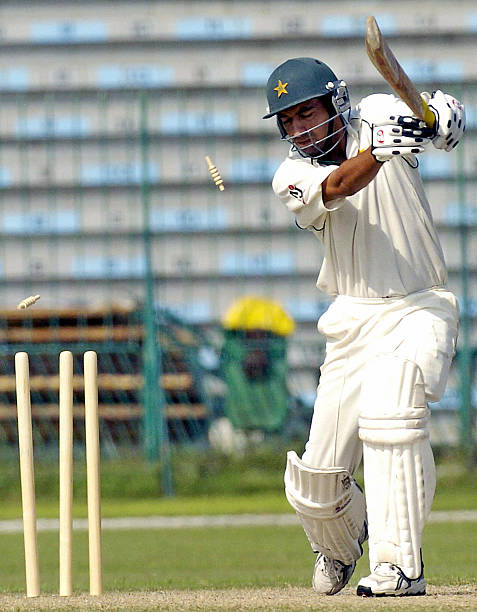
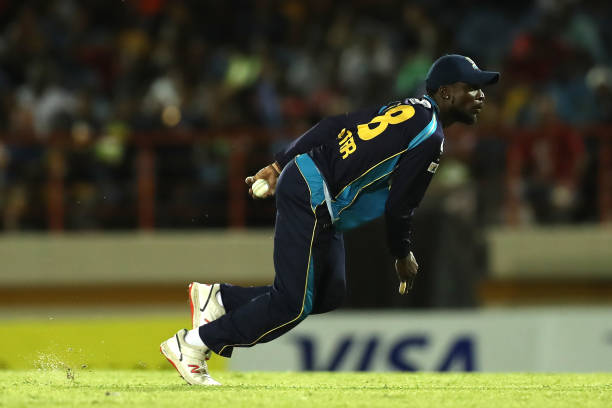
Sammy Carter: A Deep Dive into the Life and Career of the English Wicketkeeper
Introduction: The Early Years
Samuel “Sammy” Carter was born on October 19, 1874, in East Molesey, Surrey, England. His journey into the world of cricket began at a very young age, and his prodigious talent in wicketkeeping quickly earned him recognition in local circles. However, despite his eventual reputation as one of the most accomplished wicketkeepers of his era, Sammy Carter’s rise to prominence came through perseverance, hard work, and an ever-evolving understanding of the nuances of the game. As a young man, Carter was drawn to cricket not only for its physical challenges but also for its mental demands, which led him to develop into an excellent tactician and reliable performer.
Sammy Carter grew up in an era when cricket was still considered by many to be more of a gentleman's sport than the competitive professional field it is today. Nonetheless, it was clear to those who watched him play that Carter had the raw talent to compete at the highest levels of the sport. His early cricket experiences in local clubs and leagues showcased his natural aptitude for wicketkeeping, a position that requires not only physical agility but an uncanny sense of timing and intuition. By the time he was in his twenties, Sammy Carter was making waves in English domestic cricket, having established himself as a player capable of taking on some of the best bowlers in the country.
Domestic Cricket Career: A Rising Star
Carter’s professional cricket career began in earnest when he played for Surrey County Cricket Club, one of the most prestigious cricket clubs in England. Throughout his years with Surrey, he not only learned the ropes of the professional game but also honed his skills behind the stumps. He was fortunate enough to play alongside some of the greatest cricketers of his generation, gaining invaluable experience and exposure. His time with Surrey was a key period in his development, as it provided him with the opportunity to face top-level opposition and learn the art of wicketkeeping under pressure.
Although his early years at Surrey were marked by steady progress, it wasn’t until the 1898 season that Sammy Carter’s career truly began to take off. That year, he achieved remarkable success with the gloves, making a series of key catches and stumpings that caught the attention of selectors at the national level. His quick reflexes, sharp focus, and dependable hands made him an invaluable asset to his county side, and soon, his name was being spoken about in hushed tones by those who followed the domestic game closely.
As his reputation continued to grow, it wasn’t long before Carter found himself in the national team fold. His performance for Surrey was simply too good to ignore, and in 1903, Sammy Carter made his Test debut for England in an Ashes series against Australia. This was a momentous occasion, not just for Carter but for English cricket, as it marked the beginning of a new era in wicketkeeping for the national team. While Carter’s first few years in international cricket were challenging, he quickly adapted to the demands of Test cricket and became a crucial part of the English team setup.
International Debut and Contributions to English Cricket
Carter made his international debut for England in 1903, during a time when the national team was trying to find its footing after a series of setbacks in Ashes cricket. The English team was in transition, and Carter’s arrival added stability to the wicketkeeping role, which had been one of uncertainty in the years leading up to his debut. As a newcomer to the side, Carter faced the immense pressure of living up to the legacy of previous English wicketkeepers who had set a high standard.
Despite the intense competition for places in the team, Sammy Carter soon proved his worth as an accomplished wicketkeeper. His debut match in 1903 saw him take several crucial catches and provide reliable support behind the stumps. His skills were especially evident in difficult conditions, where the balance of the game shifted in an instant. Carter was unflappable under pressure, a quality that made him an ideal candidate for the position of wicketkeeper, which often required split-second decisions and an acute awareness of the game’s flow.
Throughout his career, Carter was known for his consistency and reliability behind the stumps. His ability to judge the trajectory of the ball and react instinctively made him a natural at wicketkeeping, and he was particularly adept at taking catches off the spinners, a skill that set him apart from many of his contemporaries. One of the aspects of Carter’s game that was often praised by his peers was his mental fortitude. Wicketkeeping is not only a physically demanding position but also a mentally taxing one, as the wicketkeeper must remain focused and sharp for long stretches of time, especially in Test cricket.
As Carter’s career progressed, he found himself involved in numerous historic series and memorable matches. His performances in these matches helped to solidify his reputation as one of England’s finest wicketkeepers. Notably, his contributions during the Ashes series, particularly in 1905 and 1907, were significant. England had long struggled to assert dominance over Australia in these series, but with players like Carter in the team, the national side began to gain ground. His composure and technical proficiency behind the stumps were instrumental in giving England a strong foundation, and over time, his value as a player was clear to see.
The Evolution of Wicketkeeping: Sammy Carter’s Legacy
Sammy Carter played at a time when the wicketkeeping role was evolving. At the start of his career, wicketkeepers were not as highly valued as they are today. Many of the best cricketers of the time were all-rounders who were valued more for their batting and bowling abilities than their skills behind the stumps. However, Sammy Carter’s approach to wicketkeeping demonstrated just how crucial the position was. Carter was among the early pioneers of the position, and his work behind the stumps helped to elevate the role in the eyes of both players and spectators.
Before the days of modern technology and coaching techniques, wicketkeeping required an extraordinary degree of skill, precision, and instinct. Carter was known for his quick reflexes, his ability to stay calm under pressure, and his mental toughness. He was a key figure in the development of modern wicketkeeping techniques and his legacy continues to inspire wicketkeepers today. His ability to stay composed and make crucial interventions at the right moments was something that players like Alec Stewart, Jack Russell, and Matt Prior would later emulate.
While Carter’s legacy as a wicketkeeper is undeniable, it is important to recognize that he was also a solid contributor with the bat. While he wasn’t a prolific run-scorer, Carter was capable of playing important innings when required, and his ability to stay at the crease for long periods of time made him a useful lower-order batsman for the England team. Over the years, his steady batting in critical situations helped to stabilize the English innings during times of crisis.
Retirement and Later Years
After a distinguished career that spanned over a decade, Sammy Carter retired from international cricket in the early 1910s. By the time of his retirement, he had established himself as one of the leading wicketkeepers of his era. His final appearances for England were marked by a mixture of pride and sadness, as Carter knew that the time had come for him to step away from the game. However, his retirement did not mark the end of his involvement in cricket. After hanging up his gloves, Carter continued to contribute to the sport by mentoring young wicketkeepers and sharing his wealth of experience with the next generation of cricketers.
During his retirement, Carter remained involved in the cricketing community, serving as a coach and selector for the England team. His technical expertise was invaluable to many players who sought to develop their wicketkeeping skills. He became a respected figure in cricket circles, known for his insight into the nuances of wicketkeeping as well as his ability to inspire young cricketers.
Conclusion: Sammy Carter’s Enduring Influence
Sammy Carter may not have been the most celebrated cricketer of his generation, but his impact on the game of cricket is undeniable. As one of the early pioneers of modern wicketkeeping, Carter was ahead of his time in many respects. His technical skill, mental toughness, and contributions to English cricket have left an enduring legacy that continues to influence the way wicketkeepers approach their role today. While he may not have achieved the same level of fame as some of his contemporaries, Sammy Carter’s place in the history of English cricket is secure, and his work behind the stumps has set the standard for future generations of wicketkeepers.
Sammy Carter: A Deep Dive into the Life and Career of the English Wicketkeeper


Welcome to Cricketkand.com! We are dedicated to providing cricket enthusiasts with the latest news, updates, and insights gathered from top cricket websites around the world. Our goal is to keep you informed about all things cricket, offering up-to-date information from trusted sources including well-known cricket websites, news outlets, and social media platforms.
Cricketkand.com does not directly produce or manage the cricket content featured on our site. All cricket information is curated from various third-party sources that are recognized in the cricket community. We strive to provide accurate and timely content; however, we are not responsible for any errors, omissions, or changes in the information provided by third-party sources.
By using our website, you acknowledge and accept the above terms and conditions. Thank you for visiting Cricketkand.com, and we hope you enjoy staying up-to-date with the world of cricket!
For any inquiries or to raise a complaint, please contact us at officialcricketkand@gmail.com